
Physical Therapy
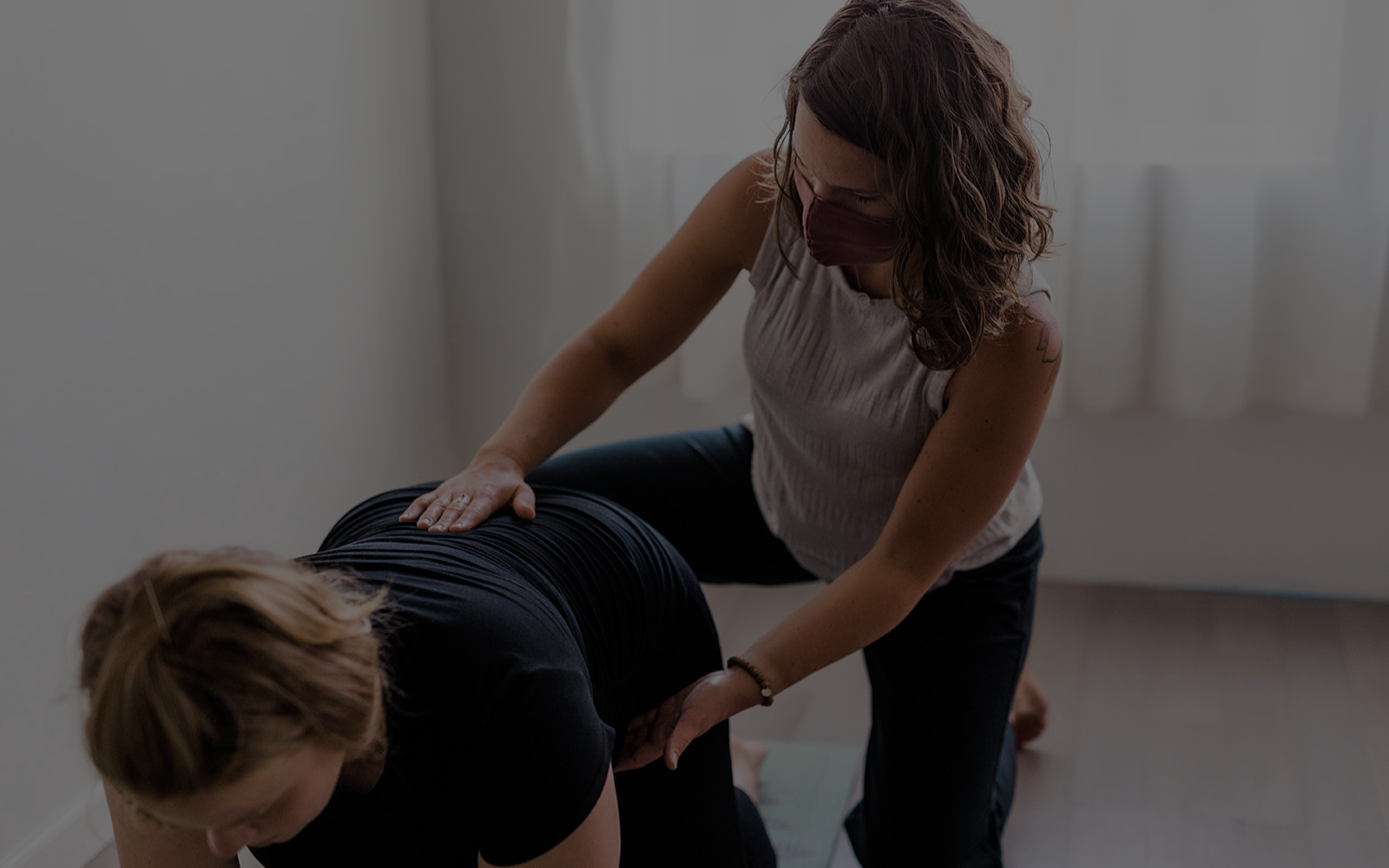
We provide one-on-one sessions focused on hands-on treatment to resolve symptoms and get you back to the life you want.
Typical diagnoses we see:
Pelvic pain (pain with tampons or sex, menstrual pain, etc)
Bladder problems (leaking, urgency, frequency)
Bowel problems (constipation, hemorrhoids, leakage)
Pelvic Organ Prolapse
Pregnancy and postpartum symptoms
Birth Prep and postpartum recovery
Diastasis (abdominal separation)
For a list of specific diagnoses, see the FAQs section at the bottom of this page.
Holistic Pelvic Care™
Holistic Pelvic Care™ is a modality that combines hands-on and energy work to address imbalances in the pelvic bowl. You do not need a diagnosis or "problem" to benefit from this type of work. It is particularly helpful for postpartum reconnection, sexual health, pregnancy loss, and recovery from birth or other trauma.
FAQs
-
A thorough yet incomplete list of conditions/symptoms we treat:
Pelvic Pain*:
Painful sex (dyspareunia)
Painful periods (dysmenorrhea)
Endometriosis related pain
Interstitial Cystitis
Vaginismus
Vulvar vestibulitis
Trauma integration (medical, sexual, relational)
Urinary Symptoms/Syndromes:
Urinary incontinence/leakage
Urinary urgency
Urinary frequency
Recurrent UTI’s
Interstitial Cystitis
Prolapse/Cystocele
Bowel Symptoms/Syndromes:
Constipation
Bowel incontinence
Gas incontinence
Painful bowel movements
Hemorrhoids
Rectocele
Pregnancy/Postpartum:
Pelvic girdle pain
Symphysis Pubis Dysfunction (SPD or PSD)
Prolapse
Diastasis Rectus Abdominis (DRA or abdominal separation)
Incontinence
Scar tissue (cesarean or perineal)
Back pain
Shoulder pain
SIJ dysfunction
In addition to symptoms, we provide preventative care for:
Trying to Conceive/Preconception
Birth Prep
Perineal Massage
Postpartum recovery
Care after miscarriage or loss
Return to exercise postpartum
We provide trauma sensitive care, which means that everything is optional, and can change in every visit. We recognize that this is very sensitive care, and we honor your story and your experience. We value your trust in us.
Weight loss is never part of our treatment plan or recommendations.
-
Mandi is not accepting male patients at this time.
-
I’m so glad you asked. The answer is YES. I have an online learning module called Pelvic Floor 101 that encapsulates a lot of the education I provide over the first several visits, and it’s available on demand. You can purchase it here and get started on your healing journey today. My goal is to give you a head start, especially if you’re not sure you’re ready for in-person visits. You can get started now.
-
While some people can afford to pay out of pocket for this work, I understand that many cannot. I can work with you to create an individual payment plan on a case-by-case basis, and offer sliding scale prices as needed. My Pelvic Floor 101 Course is a great option to help save money over the course of treatment as well. Send me an email at hello@drmandimurtaugh.com if you’d like to explore options.
I also have a scholarship for BIPOC folks who are pregnant, preparing for labor & delivery, or postpartum. Please email support@drmandimurtaugh.com if you want more information for yourself or a client referral.
-
One of the gifts of COVID was the introduction of telehealth, and I still offer this as needed today. Times this is a great option is early postpartum, when you are out of town, not feeling well, or your child-care cancels.
Please click here for more info about online visits.
-
The initial intake visit will start with a thorough review of your history, including any medical history, injuries, and pregnancy/birth experience. I give ample space to get to know you, as I believe effective care starts with getting to know you as a whole person, not just your primary symptoms. This visit is typically 90 minutes so that we have time to get you some treatment too!
You can wear whatever you want to this first visit. Comfortable clothes that stretch can be helpful for the movement assessment but aren’t necessary.
-
I recommend making visits as soon as you are ready, as early as 2 weeks postpartum. The early visits are focused on connecting to your core, gentle breathing and movement, and making sure you are getting the rest you need without jumping back into activity.
After 6 weeks you are typically cleared for an internal pelvic floor exam, more hands-on treatment, and progression of exercise.
I recommend you schedule your postpartum appointments before baby arrives so you have one less thing to think about in the early foggy days.
-
Yes, please! I recommend visits starting at 34-36 weeks if you are not having symptoms before then. We’ll focus on assessing your pelvic floor to help ready it for birth, including teaching you perineal massage (tip: it’s not supposed to be miserable!) and how to push properly. On other visits we focus on labor & delivery positioning to optimize opening the pelvis. Your partner or doula is more than welcome to join for these visits!
Of course, if you have any pain or pelvic floor symptoms like incontinence during pregnancy, I encourage you to schedule an appointment sooner.
-
The gold standard for assessing the pelvic floor is an internal exam. This is sometimes included in the initial visit, but always individualized. It is also important to know it’s not necessary.
There are no speculums or stirrups involved. I simply assess visually first, exactly as you would if you were looking at yourself with a hand mirror. I might feel the muscles externally, feeling just inside the sitbones. Then I use one gloved finger to feel the pelvic floor muscles inside the vagina, or when appropriate inside the rectum. The only way to know exactly what’s going on with a muscle is to feel it, and this is the best way to feel the pelvic floor muscles.
People who come to see me have all sorts of history, and many of their stories include sexual trauma or abuse. I respect your story and always aim to move at a pace that feels safe and comfortable for each individual. I have had the honor of being part of the healing journey for so many people, and I don’t hold that role lightly.
-
I suggest you keep your appointment. We’ll adjust the plan for that day if we often do internal work because there is always more to do. I may even be able to help give you some relief via yoga postures or manual therapy if you’re feeling pretty crampy.
There are very few instances where physical therapy relies solely on doing internal work. The pelvic floor is closely related to the hips, the inner thighs, the abdominals, and the glutes (and breathing and swallowing and the feet and…), so if hands-on treatment is the focus, there’s a lot more to do outside the pelvic floor.
This work is ultimately about self-care, so what better time to take care of yourself than during your bleed? And with the option for online visits, you can even stay home in your sweats and close to a heating pad.
Do you have a question that wasn’t answered above?
Ask below and I’ll get back to you shortly.
Sign up for my newsletter to receive news and updates.
I send about one email per week. Opt out anytime.